How to Plan a Kamakura Day Trip? Kamakura Day Tour Guide

- Where Is Kamakura? Who Is a Kamakura Day Trip Best For?
- Which Month Is Best for Kamakura? Monthly Travel Tips
- Is Kamakura Suitable in Winter?
- How to Spend a Day in Kamakura? 3 Classic Itinerary Styles
- Tokyo to Kamakura: DIY, Group Tour, or Private Charter? Full 4-Option Comparison
- Kamakura Day Trip Budget: Include More Than Transport (Latest Prices)
- Kamakura Day Trip: 4-Platform Comparison
- How to Arrange Tokyo→Kamakura Transportation?
- How to Buy a Kamakura Day Pass? 3 Ticket Options Compared
- Bonus: How to Go Directly from the Airport to Kamakura (Haneda/Narita)
- How to Get Around Kamakura? Enoden Riding Guide
- How to Choose a Private Charter for Kamakura? Who Is It For? Cost?
- What Are People Saying on Dcard, PTT, and Reddit?
- What to Eat on a Kamakura Day Trip? Complete Komachi Street Food Guide
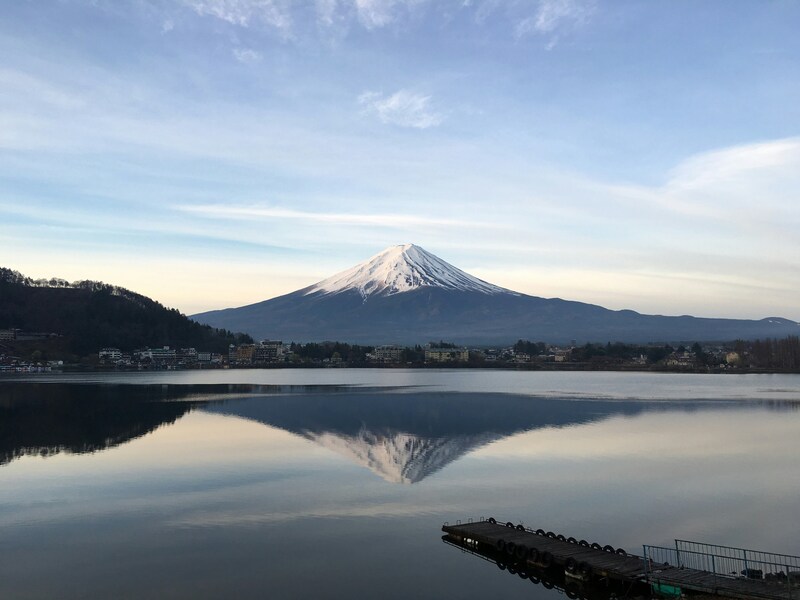
- Bonus: Want a One-Day Mt. Fuji Sprint Trip?
- More Kamakura Day Trip Q&A
- tripool Editor’s Honest Note: Don’t Waste Precious Time in Crowded Trains
Many people ask: after visiting Tokyo so many times, why still insist on saving one full day for Kamakura?
Maybe it’s because it has the level crossing closest to the sea, and also a bamboo grove that can instantly calm you down in the middle of all the noise.
Within one hour from central Tokyo, you can reach this town of sea views, temples, and famous anime scenes. Whether it’s your first time in Japan or you want a break from standard tourist spots, a Kamakura day trip is absolutely worth adding to your itinerary.
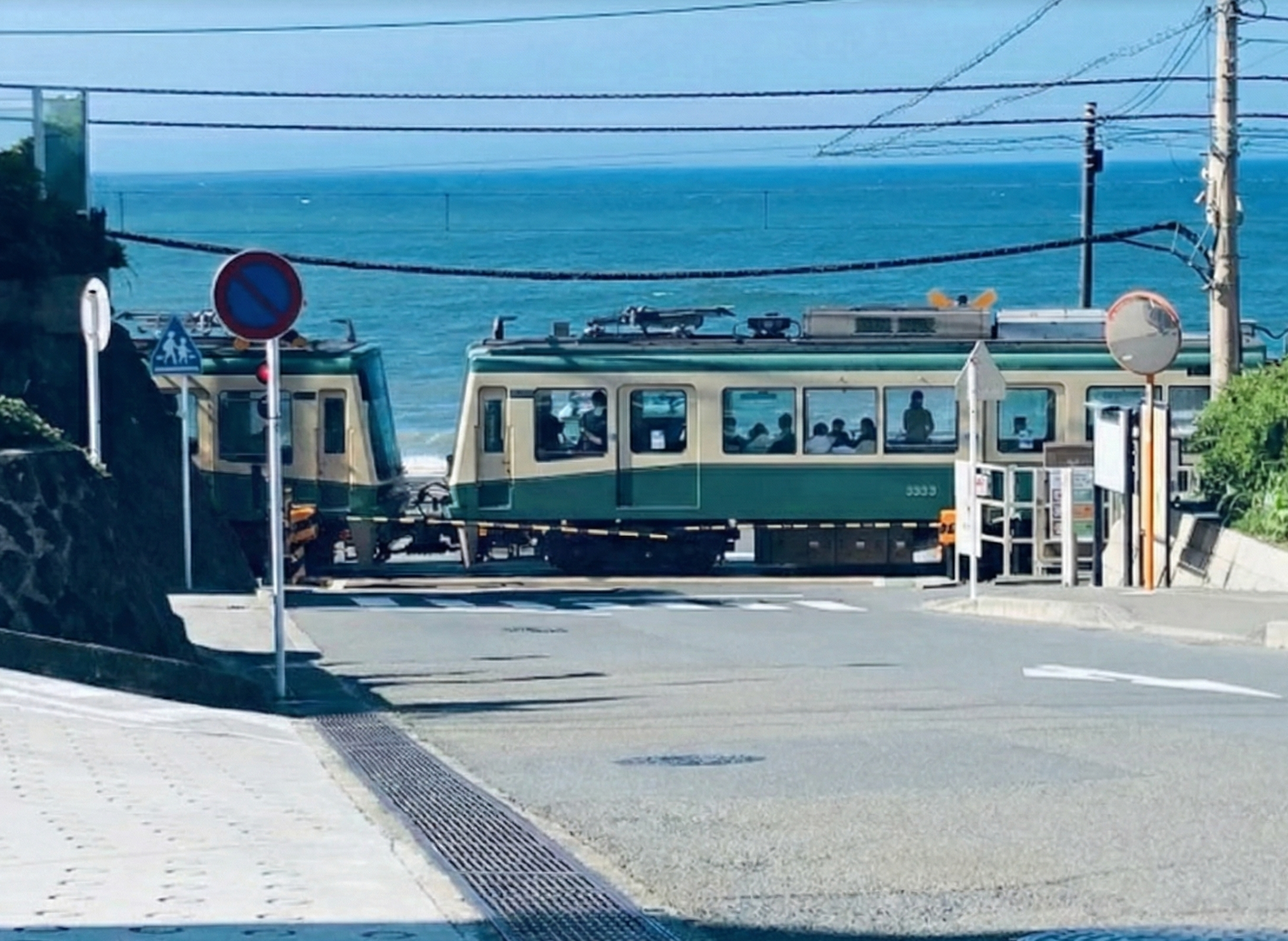
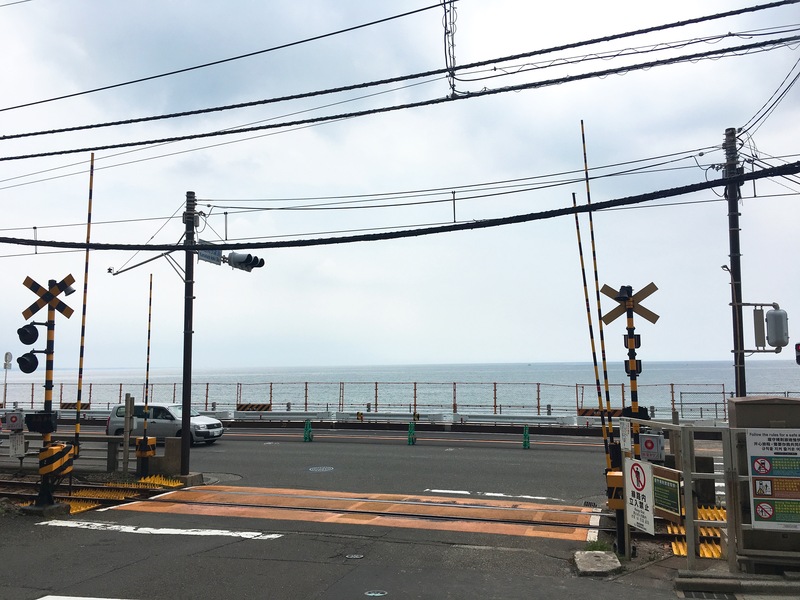
You can feel the old-capital atmosphere at Tsurugaoka Hachimangu, Hasedera, and Meigetsuin. Want dreamy bamboo photos? Hokokuji is so beautiful it practically guarantees great shots. And of course, Kamakura’s most iconic Slam Dunk railroad crossing in front of Kamakura High School is a pilgrimage site for anime fans. Add Enoshima’s ocean views plus sunset, and the evening panorama from the observatory will make you not want to leave.
That said, because Kamakura (also sometimes written as “鎌倉/鐮倉”) and Enoshima routes offer so many options, many travelers feel trying to cover all major spots in one day can be rushed and exhausting. So if you want to explore Kamakura smartly, this guide is for you.
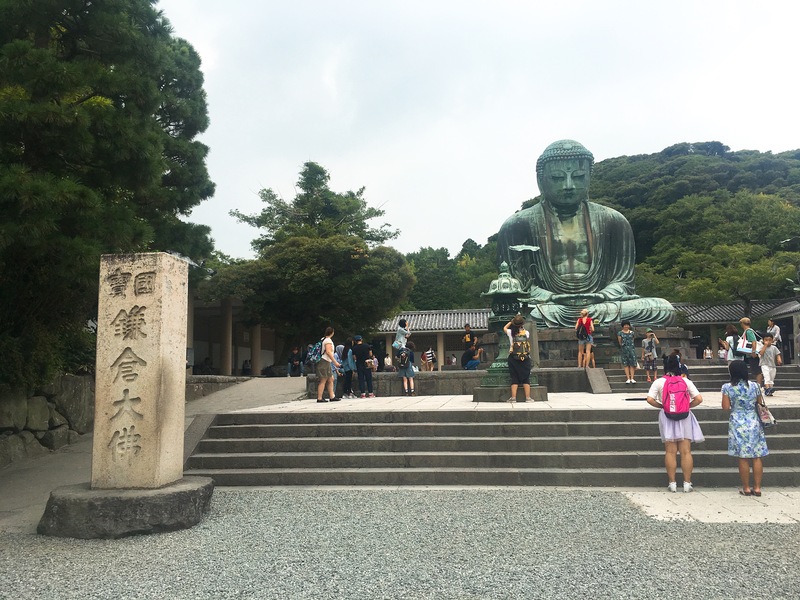
Source: tripool
📌 5 Key Highlights of a Kamakura Day Trip
- Kamakura is only 60 minutes from Tokyo. From Tokyo Station, JR Yokosuka Line is the most direct option at ¥950 one-way.
- From Shinjuku, the top choice is the Enoshima-Kamakura Free Pass (adult ¥1,640), including Shinjuku↔Fujisawa round trip + unlimited Enoden rides.
- A classic one-day route includes 5 major spots: Tsurugaoka Hachimangu → Hasedera → Great Buddha of Kamakura → Kamakurakokomae Crossing → Enoshima.
- During peak holidays (Obon in August, Golden Week in May, New Year period), Enoden may suspend sales of physical one-day passes. Buy digital passes to save queue time.
- Best travel months: Apr–May (spring) and Oct–Nov (autumn). June hydrangeas are beautiful but extremely crowded; Jul–Aug are very hot, so start early and bring an umbrella.

from Tokyo
Kamakura Day TripWhere Is Kamakura? Who Is a Kamakura Day Trip Best For?
✏️ Key point: Kamakura is only 60 minutes from central Tokyo. Surrounded by mountains on three sides and facing the sea to the south, it is one of the best one-day choices between historic Japan and modern Tokyo.
Kamakura in Kanagawa Prefecture, along with Kyoto and Nara, is one of Japan’s important historic capitals. In addition to its deep history, its unique geography—mountains on three sides and the sea on the south—makes it one of Japan’s most famous scenic destinations.
Kamakura is popular with domestic and international tourists mainly because it is very close to Tokyo: about one hour by JR from central Tokyo. With over a hundred temples, including Tsurugaoka Hachimangu (one of Japan’s three major Hachimangu shrines), and autumn leaves turning from mid-November along shrine approaches, Kamakura’s blend of sea, modern life, and history is exactly why so many people schedule a day trip here.
Kamakura is especially suitable for:
- First-time Japan visitors who want both temples and sea views
- Anime fans (Slam Dunk railroad crossing pilgrimage)
- Travelers wanting a short escape from Tokyo without flying to Kyoto
- Photography lovers and fans of bamboo groves/hydrangeas
- Families traveling with seniors or children who want an easy one-day plan
Which Month Is Best for Kamakura? Monthly Travel Tips
✏️ Key point: Kamakura is visitable all year, but best in Apr–May (spring) and Oct–Nov (autumn). June hydrangeas are gorgeous but extremely crowded; Jul–Aug are hot and most crowded, so avoid if possible or depart early.
🌸 June hydrangea reminder: If hydrangeas are a must, note that Meigetsuin and Hasedera hydrangea paths may require 1–2 hour waits. Arrive early on weekday mornings, or schedule non-hydrangea spots for the afternoon. If flowers are not essential, it may be better to avoid these temples in June and spend more time at less-crowded beaches or bamboo groves.
Is Kamakura Suitable in Winter?
Yes. Visiting Kamakura in winter helps you avoid spring cherry-blossom and autumn-foliage crowds. Popular spots like Kotoku-in Great Buddha and Hasedera are less crowded, making photos more enjoyable.
The weather is dry and chilly with clear visibility, and you may even catch Mt. Fuji with ocean views—especially breathtaking at sunset.
Average temperatures in Kamakura from Dec–Feb are around 4–10°C. With warm clothing (coat, gloves, hat), you can leisurely explore temples, old streets, and the seaside, and enjoy Kamakura’s winter-only freshness and calm.
How to Spend a Day in Kamakura? 3 Classic Itinerary Styles
✏️ Key point: Kamakura day trips generally fit 3 styles: anime pilgrimage (best for first-timers), relaxed family aquarium route, and artsy hidden North Kamakura route. Pick based on your interests.
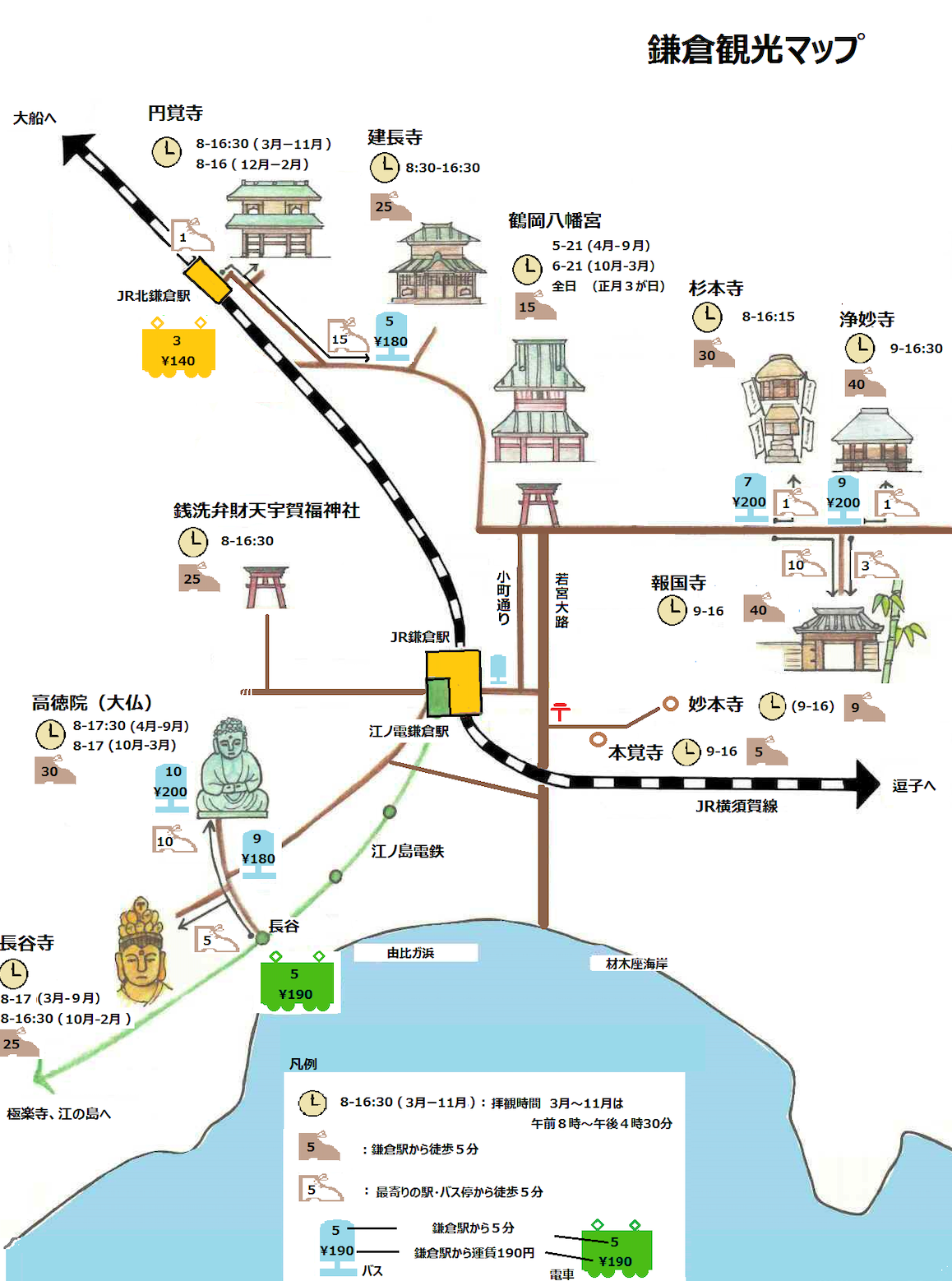
Kamakura map | Image source: Kamakura Tourism Guide
Although attractions are concentrated, heavy crowds often make transit slower than expected. If you also dislike rushing, here are three editor-recommended walking routes based on stamina and interests.
Route 1: [Classic Must-Do] Anime + Old-Capital Highlights (Best for Beginners)
This is the safest classic route, collecting all iconic scenes in one go.
Route 2: [Relaxed Family Trip] Aquarium + Seaside Walk
- 09:30 Enoshima Aquarium: soothing jellyfish shows and dolphin performances kids love.
- 12:30 Enoshima lunch: famous seafood bowls, such as Tobiccho’s whitebait bowl.
- 14:00 Enoden to Hase Station: enjoy the retro tram experience.
- 15:00 Great Buddha: after that, choose Hasedera or return depending on energy.
👉 Enoden is very crowded on weekends. Families with strollers should allow extra time. Kotoku-in closes around 16:45; in winter, enter by 16:00 at the latest.
Route 3: [Hidden Artsy Route] North Kamakura Forest Trail
Don’t want beach crowds? North Kamakura is ideal for quiet and photography lovers, but note longer distances between spots.
- 09:30 Kita-Kamakura Station: start with a tranquil old-capital vibe.
- 10:00 Meigetsuin: weekday mornings are best for the iconic round window and Zen mood.
- 11:30 Lunch in Kita-Kamakura: refined kaiseki and traditional house restaurants.
- 13:30 Hokokuji: Michelin 3-star bamboo scenery; great afternoon light and matcha time.
- 15:30 Zeniarai Benten Shrine: famous for “washing money” for better fortune.
👉 In winter, most temples stop entry around 16:00–16:30. Arrive at least 30 minutes early. This route often requires train→bus/walk transfers via Kamakura Station; a charter car can save transfer fatigue.
How to Plan a Half-Day Kamakura Trip? (4–5 Hour Highlights)
✏️ Key point: Short on time? In about 4 hours you can cover Komachi Street, Tsurugaoka Hachimangu, Hasedera, and the Great Buddha.
Tokyo to Kamakura: DIY, Group Tour, or Private Charter? Full 4-Option Comparison
✏️ Key point: Budget travelers should choose independent travel or shared tours. Families with seniors/children should choose private charter to reduce transfer fatigue.
👉 Tips:
- DIY: best if you want flexible time for Kamakurakokomae photos or Komachi food queues.
- Group tours: best in peak seasons because coach buses go directly to major spots, avoiding crowded trains.
Kamakura Day Trip Budget: Include More Than Transport (Latest Prices)
Many people only calculate round-trip transport and forget entrance fees/meals, leading to overspending or missing worthwhile experiences.
For a family of four, switching to a private car may not dramatically increase per-person cost, while saving energy and time lost to crowded Enoden lines and platform waiting. “Worth it” depends on whether your goal is saving money or traveling well.
from Tokyo
Kamakura Day TripKamakura Day Trip: 4-Platform Comparison
Compared platforms: tripool, Klook, KKday, Lion Travel, with differences in flexibility, audience fit, strengths, and limitations.
👉 Tips:
- Enough budget + family trip: choose tripool for comfort and no transfers.
- Young + budget-focused: choose a high-rated Kamakura+Enoshima day tour on Klook/KKday.
- Booking for seniors: Lion Travel is easier for traditional service support.
How to Arrange Tokyo→Kamakura Transportation?
✏️ Key point: JR Yokosuka Line from Tokyo takes about 60 minutes to Kamakura (¥950 one-way). From Shinjuku, Odakyu + Enoden unlimited free pass is about ¥1,640.
💡 Quick decision by departure area:
- Staying in East Tokyo (Ueno/Tokyo/Ginza) → JR Yokosuka Line is easiest.
- Staying in West Tokyo (Shinjuku/Shibuya) → JR Shonan-Shinjuku for speed; Odakyu for savings.
- With parents or children → strongly consider private charter to avoid Enoden crowd fatigue.
How to Buy a Kamakura Day Pass? 3 Ticket Options Compared
✏️ Key point: From Shinjuku, the Enoshima-Kamakura Free Pass (¥1,640) is recommended. If only using Enoden locally, buy the Noriorikun one-day pass (¥800).
How to Ride Enoden Efficiently
Enoden has 15 stations; Kamakura→Fujisawa takes about 34 minutes, linking most one-day attractions on one line.
- Kamakura → Hase: walk 7–10 min to Great Buddha, then 10 min to Hasedera.
- Continue toward Fujisawa → Kamakurakokomae for the Slam Dunk crossing.
- Ride 2 more stops to Enoshima; walk 15–20 min to the main island.
This one-way progression minimizes backtracking. Kamakura→Enoshima is ¥260 one-way; Noriorikun (¥800) is often better value for multiple rides.
⚠️ Drawback: weekends are extremely crowded, especially around Hase and Kamakurakokomae. Use the “reverse route” strategy (go to Enoshima first, then return stop by stop).
Where to Buy Passes
Odakyu Enoshima-Kamakura Free Pass (includes Shinjuku round-trip)
- Physical: Odakyu station ticket machines / Odakyu Tourist Service Center.
- Digital: via Odakyu official site or smartphone web purchase.
Enoden “Noriorikun” One-Day Pass
- Physical: ticket machines at Enoden stations.
- Digital: available via Odakyu site / EMot web ticket.
Bonus: How to Go Directly from the Airport to Kamakura (Haneda/Narita)
✏️ Key point: Narita→Kamakura is about 2 hours; Haneda→Kamakura about 1 hour. Both require one transfer; there is no direct train.
🛬 From Narita Airport
Take Narita Express (N’EX) to Ofuna, then transfer to JR Yokosuka Line to Kamakura. Total around 2 hours.
📌 Tip: N’EX round-trip ticket around ¥5,200 may be cost-effective. If you have a JR Tokyo Wide Pass, this route may be covered (check latest official terms).
🛬 From Haneda Airport
Take Keikyu Airport Line to Yokohama, then transfer to JR Yokosuka Line to Kamakura. Total about 1 hour.
How to Get Around Kamakura? Enoden Riding Guide
✏️ Key point: Enoden is the core transport for major Kamakura attractions but gets very crowded on weekends. Consider Noriorikun (¥800), reverse routing from Fujisawa, or private transfer for seniors/families.
Tips for weekend/holiday Enoden:
1. Reverse route: go farther first (Enoshima), then return via Kamakurakokomae and Hase.
2. Start early: much lighter crowds in the morning.
How to Choose a Private Charter for Kamakura? Who Is It For? Cost?
✏️ Key point: For seniors, strollers, and multi-generation trips, private charter is the fastest way to switch from “march mode” to “enjoy mode.”
Best-suited groups for charter:
- Seniors, strollers, limited mobility travelers
- 3–7 person small families/friend groups (cost split may be reasonable)
- Shoppers with many souvenirs (store luggage in car)
- Travelers who don’t want complex route planning
tripool Kamakura charter features:
- Flexible stops, not locked to fixed schedule
- English customer support
- Transparent pricing, no hidden fees
- Direct drop-off at attraction entrances, avoiding Enoden crowds
What Are People Saying on Dcard, PTT, and Reddit?
The editor compiled frequent pitfalls and practical tips from forums.
- Enoden is truly packed: use reverse routing for better photo opportunities.
- Slam Dunk crossing is extremely crowded: alternative photo spots near Shichirigahama can be better.
- Beware of hawks stealing food near seaside/outdoor areas.
- Komachi Street gets very crowded: eat whitebait bowls early.
- Use Enoshima ESCAR escalator to save energy.
- Hydrangea season in June can mean 1–2 hour waits.
- In summer, depart early and carry an umbrella.
- Hasedera’s Kannon statue is also highly recommended.
- Great for solo travel: sea-view cafes are chill and solo-friendly.
- bills Shichirigahama fills up quickly; reserve in advance.
- Try Shonan Monorail on return for a fun experience.
What to Eat on a Kamakura Day Trip? Complete Komachi Street Food Guide
✏️ Key point: Must-eats include Giraffa curry bread (¥450), whitebait bowls, and Daibutsu-yaki. bills Shichirigahama fills fast, so reserve online in advance.
Smart timing: arrive/after shrine visit → Komachi snacks; before Enoden to Hase → whitebait meal near Kamakura station before 11:00; afternoon Enoshima → seafood bowl; Shichirigahama → ocean-view pancakes (reservation recommended).
📌 Reminder: Kamakura promotes “no eating while walking” (to avoid mess and hawk attacks). Eat in designated areas near shops before moving on.
Bonus: Want a One-Day Mt. Fuji Sprint Trip?
Source: Unsplash|Tommy Silver
Further reading:
Mount Fuji Day Tour from Tokyo: Private Mt. Fuji Tours & Day Trips
More Kamakura Day Trip Q&A
Q: Best month and weather in Kamakura?
Best months: Apr–May (avoid Golden Week) and Oct–Nov (autumn leaves). June hydrangeas are beautiful but packed. Jul–Aug are very hot; depart early. Winter (Jan–Mar) has fewer crowds and possible Fuji views.
Annual temperatures are generally 3°C to 30°C, rarely below 1°C or above 33°C.
Q: Which one-day pass is most recommended?
From Shinjuku: Odakyu Enoshima-Kamakura Free Pass (adult ¥1,640) is best value. If only using Enoden: Noriorikun (adult ¥800).
During major holidays, physical Noriorikun may be suspended; try digital tickets (EMot app/web) to save queue time.
Q: How long from Tokyo to Kamakura? Fastest and cheapest way?
Fastest: JR Yokosuka Line from Tokyo Station, about 60 min, ¥950. From Shinagawa about 50 min. From Shinjuku: JR Shonan-Shinjuku about 60 min, or Odakyu to Fujisawa + Enoden about 60–70 min with transfer.
Q: Can you walk between all attractions?
Not recommended. Distances are long; Enoden is the main connector. Walking is best only around station areas and Komachi shopping street.
Q: Can Kamakura + Enoshima be done in one day?
Yes, but it’s tight. Start early: Enoshima first (about 2 hours), then Enoden toward Kamakura for Kamakurakokomae, Hasedera, and Great Buddha. A private charter can save transfer time.
Q: When is Kamakurakokomae crossing least crowded?
Early morning is emptiest. Crowds peak in late afternoon (after 15:00), especially on weekends.
Follow rules: do not stand in the middle of the road or block train traffic.
Q: Must-visit spots in Kamakura?
Top 3 classics:
- Tsurugaoka Hachimangu + Komachi Street
- Kotoku-in Great Buddha
- Hasedera
Bonus picks: Kamakurakokomae crossing, Hokokuji Bamboo Grove, Meigetsuin.
Q: Must-eat foods and must-buy souvenirs?
- Must-eat: whitebait bowls, curry bread, Daibutsu-yaki, Kamakura kamameshi, matcha soft serve
- Must-buy: Toshimaya Hato Sable, Kamakura Goro Hannya-yaki (Half Moon).
tripool Editor’s Honest Note: Don’t Waste Precious Time in Crowded Trains
Souce: tripool
Imagine this: while others are sweating in long Enoden platform lines, you’re already in a comfortable private vehicle heading to the next hidden temple; while others rush to catch the last train and miss sunset, you can simply ask your driver to stay a little longer along the Shonan coast.
tripool’s dedicated one-day Kamakura charter helps you leave “march-style travel” behind. No complicated transfer planning, no long-distance hauling between attractions. Great Buddha, shrines, and Kamakurakokomae crossing are connected point-to-point, so your energy is saved for the best experiences.
You set the pace: whether traveling with seniors, families with lots of bags, or couples wanting private time, a private vehicle provides secure and comfortable mobility.
Experienced professional drivers are not just chauffeurs but reliable travel support, so you can focus on food and scenery.
When traveling abroad, your time should be spent on beautiful things, not transportation. This time, try exploring Kamakura in an elegant, relaxed way.