
The Ultimate Alishan Weather Guide: Monthly Temperature Chart, Layering & Sunrise Viewing Tips Without Freezing

- Why Is Alishan Weather So Cold? The Temperature Drop Caused by Elevation Is Greater Than You Think
- Alishan Weather by Month Chart: One Table to Understand All 12 Months, from the Hottest to the Coldest
- Is It Cold Watching the Sunrise in Alishan? Early-Morning Conditions, Feels-Like Temperature Data & Gear You Absolutely Need
- Microclimates at Alishan Attractions: Elevation Changes Make a Big Difference in How It Feels
- The Complete Layering Guide: The Science of Handling a 10-Degree Temperature Gap
- Alishan Packing by Season: Different Months Call for Different Strategies
- Alishan Packing List: What You Must Bring, What You Can Skip, and What You Can Buy On Site
- What’s the Most Beautiful Month to Visit Alishan? Seasonal Highlights and Crowd Planning Throughout the Year
- Getting to Alishan: Should You Drive, Take the Bus, or Book a Private Transfer?
- Alishan Weather FAQ
- A Final Word from the tripool Editor: Pick the Right Weather, and Alishan Becomes Much More Fun
Why Is Alishan Weather So Cold? The Temperature Drop Caused by Elevation Is Greater Than You Think
👉🏻 Key takeaway: Alishan’s annual average temperature is only 11.4°C, about 12°C lower than Chiayi City, so heading up the mountain feels like stepping straight from summer into autumn.
Alishan’s annual average temperature is just 11.4°C. Compared with 23.1°C in downtown Chiayi, that’s a full 12°C lower. That’s why “What’s the temperature in Alishan?” has long been one of the most commonly searched questions for people planning a trip there. Everyone knows that “the mountains are cooler,” but there’s often only a fine line between “cool” and “cold.”
In this article, we’ll break down official data from the Alishan Weather Station, one of Taiwan’s oldest high-mountain weather stations (originally established in 1933 as the “Alishan Highland Observatory” at an elevation of 2,413 meters), and combine it with real traveler feedback from social media to answer the questions you actually care about: What’s the best month to visit Alishan? What should you wear for sunrise? Pack the right clothes, and your Alishan trip will be much more enjoyable.

Alishan National Forest Recreation Area Weather Fact: The Key to the Temperature Gap—The Lapse Rate
The “lapse rate” refers to how air temperature drops by about 0.6°C for every 100 meters of elevation gain under standard atmospheric conditions. Comparing Chiayi City (elevation 25 m) with the Alishan Weather Station (elevation 2,413 m), the elevation difference is about 2,388 meters, which translates to a temperature difference of roughly 12 to 14°C. For anyone used to southern Taiwan’s climate, heading up the mountain can feel like running straight into an intense cold front. That’s also why so many first-time visitors to Alishan say it’s “way colder than expected.”
What’s the temperature in Alishan right now?
Alishan temperatures vary significantly by month. According to official data from Taiwan’s Central Weather Administration for 1991 to 2020, average temperatures are around 14 to 15°C in summer (June to August) and about 6.5 to 8°C in winter (alishan weather december to February), with an annual average of 11.4°C.
📌Quick tip: If you want real-time alishan taiwan weather data, it’s best to check the live observations for “Alishan Station” on the Central Weather Administration website. It’s usually more accurate than the forecast shown in general weather apps.
Alishan Weather by Month Chart: One Table to Understand All 12 Months, from the Hottest to the Coldest
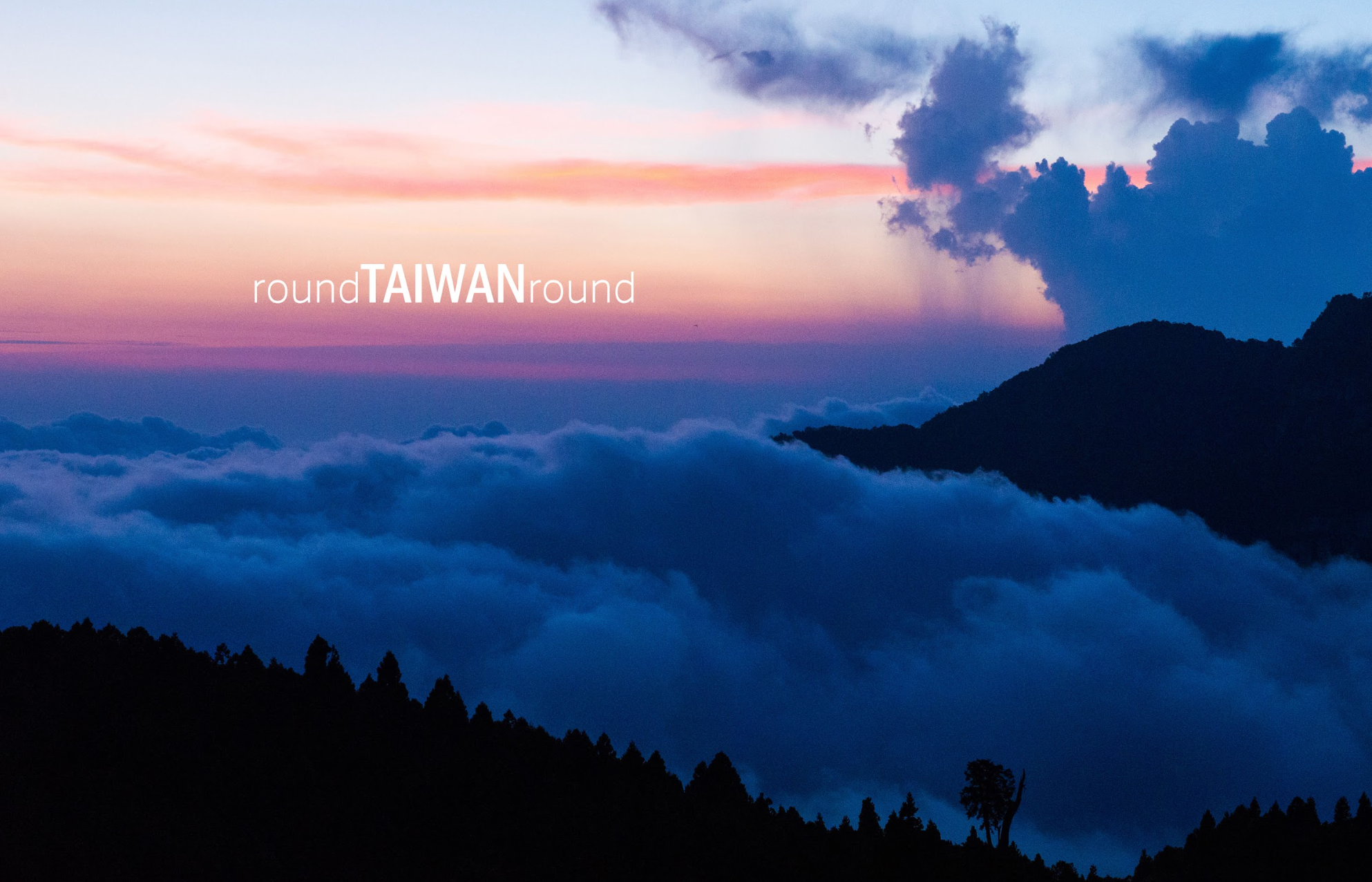
Source: roundTAIWANround
👉🏻 Key takeaway: Even July, the hottest month in Alishan, has an average temperature of only 14.7°C. Basically, Alishan doesn’t really have a summer.
So the better question isn’t “Is the weather in Alishan good?” but rather “What’s the actual temperature in Alishan during the month I’m going?” That’s the more useful question. The following Alishan temperature chart is compiled from the Central Weather Administration’s official 30-year climate statistics (1991–2020 monthly averages) for your reference before you head out.
| Month | Average Temperature | Feels Like | Main Scenery / Activities |
|---|---|---|---|
| January | 6.5°C | Deep winter in Taipei | Fewer crowds, occasional low temperatures and heavy fog |
| February | 7.3°C | Late winter in Taipei | Busy Lunar New Year holiday season, lots of visitors |
| March | 9.5°C | Early spring in Taipei | Yoshino cherry blossoms in full bloom, peak season of the year |
| April | 11.5°C | Spring in Taipei | Wushe Azalea Season + first fireflies of the year |
| May | 13.1°C | Late spring in Taipei | Peak firefly season (colder at night) |
| June | 14.4°C | Feels like early autumn in Taipei | Rainy season, frequent rainfall |
| July | 14.7°C (The highest of the year) |
Cool autumn weather | Summer vacation peak season, heaviest rainfall |
| August | 14.6°C | Similar to July | Typhoon season, watch for itinerary changes |
| September | 14.0°C | Greater day-night temperature gap | Late typhoon season, weather starts to clear up |
| October | 12.4°C | Late autumn in Taipei | Maple season begins, high chance of seeing a sea of clouds |
| November | 10.7°C | Late autumn in Taipei | Peak maple season, best sunrise views |
| December | 8.0°C | Winter in Taipei | Cold, fewer crowds, peaceful trails |
📌 Quick note: Alishan’s annual temperature range is only 8.2°C, much lower than in lowland cities and counties. So even if you’re heading up in July to escape the heat, it will still feel cooler than winter on the plains. Don’t pack only short sleeves!
What’s the best month to visit Alishan?
👉🏻 Key takeaway: October to alishan weather in november is widely considered the best time weather-wise, because rainfall drops significantly, maple leaves turn red, and clear days offer a better chance of seeing the sea of clouds. For many Alishan lovers, this is the most recommended time to visit.
That said, Alishan also offers some special seasonal highlights worth seeing:
- Flowers: Yoshino cherry blossoms peak in March, making it a great time for cherry blossom viewing.
- Fireflies: Late April to May is the season for spotting fireflies at night.
- Avoiding the crowds: January to February (excluding Lunar New Year) is quieter, with peaceful trails, but it’s also the coldest time of year, so be sure to dress warmly.
Is It Cold Watching the Sunrise in Alishan? Early-Morning Conditions, Feels-Like Temperature Data & Gear You Absolutely Need

👉🏻 Key takeaway: Yes—very cold! At the Zhushan Sunrise Viewing Platform (elevation 2,489 m), the temperature before dawn is usually another 2–4°C lower than at the weather alishan station. Add in radiative cooling and strong wind, and the feels-like temperature often gets close to 0°C.
What travelers say most often:
- Wearing only a light jacket in summer: you’ll start shivering in under 10 minutes.
- No gloves in winter: your fingers go numb, and you can barely press the camera shutter.
- The hardest part: the 30 minutes of standing still before sunrise, when the cold wind drains away all your body heat.
Microclimates at Alishan Attractions: Elevation Changes Make a Big Difference in How It Feels
Even on the same day, different spots in Alishan can feel 3 to 5°C apart because of differences in elevation and wind exposure.
That’s because Alishan is a large scenic area, not a single fixed point. Its attractions are spread across elevations ranging from about 1,400 meters to 2,600 meters. So from one location to another, elevation alone can create a temperature difference of roughly 3 to 5°C. Add in the difference between sheltered forested areas and open windy spaces, and the feels-like temperature gap can be even greater.
| Attraction | Approx. Elevation | Environmental Features | What to Watch Out For |
|---|---|---|---|
| Erwanping | Approx. 2,000m | Midpoint station on the forest railway, shaded by trees | Relatively the warmest, comfortable for walking |
| Around Alishan Station | Approx. 2,179m | Main service area, with buildings that block the wind | Baseline temperature reference point |
| Sacred Tree Trail Area | Approx. 2,200m | Dense forest cover, excellent shade | Feels warmer than the numbers suggest, but the ground is damp |
| Zhaoping Park | Approx. 2,274m | More open space, with viewing platforms | Windier, so dress warmly |
| Zhushan Sunrise Viewing Platform | Approx. 2,489m | Completely open, no shelter | Coldest feels-like temperature, strongest winds |
📌 Helpful tip: If you’re heading to the Zhushan Sunrise Viewing Platform, keep your jacket in the outermost part of your backpack no matter what the weather in alishan is like when you leave, so you can grab it quickly when needed.
The Complete Layering Guide: The Science of Handling a 10-Degree Temperature Gap
👉🏻 Key takeaway: Don’t assume one thick coat will solve everything — three-layer dressing is the real answer.
When it comes to dressing for Alishan, it really comes down to one question: what exactly should you bring? Many people think, “One thick jacket should be enough,” only to realize once they arrive that there can be a 5 to 8°C difference between hiking during the day and standing still at the sunrise platform in the early morning. One jacket simply isn’t enough.
So the core clothing advice for Alishan is the classic three-layer system: a moisture-wicking base layer (polyester, wool, or moisture-wicking undershirt), an insulating mid-layer (such as lightweight down jacket), and a windproof/waterproof outer layer (a waterproof jacket).
Each of these three layers has its own purpose, and you can add or remove them depending on your activity level and location. If you warm up while hiking, you can take off the mid-layer. But if you’re going somewhere exposed like the Zhushan Sunrise Viewing Platform, where lower temperatures combine with mountaintop winds, you’ll need all three layers on. When necessary, you can adjust them one by one, like peeling an onion, to deal effectively with Alishan’s 11.4°C average climate.
Layer 1: Moisture-Wicking Base Layer
Polyester or wool is recommended. Avoid 100% cotton! Once cotton absorbs sweat, it dries slowly, and when you stop moving and get hit by the wind, it can quickly draw heat away from your body and increase the risk of getting chilled.
Layer 2: Insulating Mid-Layer
Lightweight down or fleece works well. The advantage is easy packability, you can stuff it into your backpack when you get hot on the trail, then put it back on immediately when you stop moving.
Layer 3: Windproof and Waterproof Outer Layer
Alishan gets a lot of rain every year (average annual rainfall exceeds 2,500 mm) and is often foggy. A windproof, water-resistant functional jacket is your last line of defense for retaining body heat.
Also, a warm beanie and gloves can help keep you much warmer while waiting at the Zhushan Sunrise Viewing Platform. And if your itinerary includes longer forest trails, shoes with water-resistant features and slip-resistant soles are highly recommended for safer walking on wet ground.
Alishan Packing by Season: Different Months Call for Different Strategies
👉🏻 Key takeaway: In spring, staying dry matters most; in summer, you still need a jacket; autumn calls for the most flexible layering; and in winter, you need full cold-weather gear.
Spring (March to May | 9.5 to 13.1°C): Waterproofing Comes First!
From March to May, average temperatures in Alishan range from 9.5 to 13.1°C, which can feel similar to the temperature in Taipei during a cold snap.
The biggest challenge in spring isn’t just the cold, it’s the dampness. March is peak Yoshino cherry blossom season, but it’s also a time of frequent alishan national park weather fronts. Fog is common in the mountains, and light rain can come and go all day. During firefly season from late April to early May, visibility drops after dusk, and nights get colder and damper. If you’re going to see fireflies at night, you’ll need the full three-layer system, plus waterproof non-slip shoes and a lightweight raincoat or umbrella.
📌 Quick reminder: March is the busiest cherry blossom season, and crowds around the Zhushan Sunrise Viewing Platform can be huge. During holiday periods, traffic restrictions are also common on the Alishan Highway. It’s best to check Forestry Bureau announcements in advance and consider visiting on a weekday.
Summer (June to August | 14.4 to 14.7°C): Don’t Be Fooled by the Word “Summer”!
Summer in Alishan is the warmest time of year, with average temperatures of 14.7°C in July and 14.6°C in August. But don’t let that “warmest” label fool you into bringing only short sleeves and a thin sun protection jacket. If you’re planning to head to Zhushan for sunrise in the early morning, you’ll almost certainly regret not bringing an extra layer.
On top of that, June through August is also the rainiest season in Alishan, with monthly rainfall reaching 230 to 240 mm and frequent brief thunderstorms. So a waterproof jacket is still essential.
Autumn (September to November | 10.7 to 14.0°C): The Season That Requires the Most Flexible Layering
September to November is widely considered one of the best times to visit Alishan. Typhoon season is ending, rainfall decreases, and your chances of clear skies and a sea of clouds after the fog improve. But autumn’s main challenge is the day-night temperature gap. In September, daytime temperatures may be around 14°C, then drop to 10°C by evening. By November, the monthly average falls to 10.7°C, and early mornings can get close to 7°C, basically cold-wave conditions by lowland standards. That’s why layering is just as important in autumn.
Winter in Alishan (December to February | 6.5 to 8.0°C): Cold but Peaceful!
Alishan weather in december to February is the coldest season of the year in Alishan, with monthly average temperatures ranging from 6.5 to 8°C. But when you factor in sunrise-time temperatures and the wind at the summit, the real-feel temperature can get close to 0°C.
That said, winter also has its advantages: it’s the quietest season of the year (except during Lunar New Year), the trails are peaceful, and sometimes you may find long stretches of forest path nearly empty. The colder temperatures also make fog and seas of clouds more frequent, and on some days the mountains stay wrapped in dreamy mist from morning to night. It’s a completely different kind of beauty from summer, but only if you come properly prepared.
Alishan Packing List: What You Must Bring, What You Can Skip, and What You Can Buy On Site
👉🏻 Key takeaway: A waterproof jacket, moisture-wicking base layer, insulating mid-layer, beanie, and slip-resistant shoes are the five absolute essentials for Alishan.
There are two extremes people fall into when packing: bringing nothing and regretting it on the mountain, or bringing everything and ending up exhausted by heavy luggage. To make things easier, here’s a packing list divided into three categories.
Absolute Must-Brings (You’ll Regret It If You Don’t Pack These)
- Waterproof jacket: no matter what season you visit, this is essential. Alishan mountain weather changes quickly, and people often underestimate how important a waterproof outer layer is.
- Moisture-wicking base layer: polyester or wool is recommended. It’s the foundation of the entire layering system.
- Insulating mid-layer: lightweight down works well. Choose a lighter version for summer and early autumn, or a thicker one for winter and spring.
- Beanie: helpful for blocking wind, especially at the Zhushan Sunrise Viewing Platform, where a hat is one of the most effective ways to stay warm。
- Slip-resistant shoes: damp trails are the norm in Alishan, so shoes with clearly defined tread patterns are much safer.
- Foldable umbrella: while waterproof jackets can usually handle light rain, a compact folding umbrella is lightweight and easy enough to carry as a backup.
Especially for travelers planning to watch the sunrise, in addition to the essentials above, it’s best to also bring gloves (a must in autumn and winter), hand warmers (for winter), and a thermos (for hot drinks).
Recommended, But Not Essential
- Sunscreen: forest trails are often shaded by trees, but in open areas like the Zhushan Sunrise Viewing Platform or parking lots, UV exposure at high altitude is still strong, so it’s wise to have some just in case.
- Lightweight gloves: if you’re watching the sunrise in spring or autumn, thinner gloves are easier to use while taking photos on your phone than bulky winter gloves.
Available On Site (No Need to Pack in Advance)
There are convenience stores and shops near the Alishan visitor service area where you can buy bottled water, hot drinks (from vending machines), instant noodles, and snacks. Some stores also sell rain gear, but selection is limited and prices are usually higher.
Luggage Type Recommendations
If you’re just doing a day trip, a lightweight daypack is enough to carry one day’s worth of clothes, food, and water. Definitely don’t bring large pieces of luggage.
But if you’re staying overnight for one or more nights, a backpack is still the better choice for carrying two to three days’ worth of clothes and warm gear. Avoid wheeled suitcases, because most of the paths in the scenic area are stone walkways, slopes, and dirt trails, which make rolling luggage extremely inconvenient.
What’s the Most Beautiful Month to Visit Alishan? Seasonal Highlights and Crowd Planning Throughout the Year
👉🏻 Key takeaway: Alishan attractions offer a different kind of beauty in every season. October to November has the most stable weather, January to February is quiet and serene, and March brings the most spectacular cherry blossoms.
March: Yoshino Cherry Blossoms
Alishan offers one of Taiwan’s largest high-mountain flower-viewing experiences. When the Yoshino cherry blossoms begin blooming from mid-March to early April, trails throughout the forest recreation area are nearly covered in blossoms, creating a romantic and truly unique atmosphere.
The trade-off, of course, is the crowds. March cherry blossom season is almost always the busiest time of year in Alishan. Accommodations need to be booked two to three months in advance, and during long holiday weekends, it’s even better to reserve earlier.
April to May: Rhododendrons and Fireflies
In late April, Mori Rhododendrons begin to bloom throughout the park, with clusters of white flowers standing out beautifully against the fresh green mountain forest. Late April to early May is also the start of firefly season, and this is one of Taiwan’s densest high-mountain firefly-viewing areas. But since nighttime temperatures are usually around 8 to 10°C during this period, warm clothing is absolutely essential for evening firefly viewing.
October to November: Maple Leaves and the Sea of Clouds
Alishan’s maple leaves may not be as dense as in some mountain areas in northern Taiwan, but when they appear alongside alpine conifer forests, bamboo groves, and sunrise views, the scenery is uniquely Alishan. October to November is also the season with the highest chance of seeing a sea of clouds. After a typhoon front passes or on clear days with a strong day-night temperature difference, the early-morning view from the Zhushan Sunrise Viewing Platform can reveal clouds filling the valleys like an ocean. Many returning visitors consider this the most worthwhile season to experience Alishan.
Year-Round: Alishan Sunrise
The Alishan sunrise is one of the main reasons travelers visit throughout the year, and it can be enjoyed in every season. Sunrise times vary slightly by month, and you can choose to reach the Zhushan Sunrise Viewing Platform either by taking the Alishan Forest Railway train or by walking. For detailed train schedules and ticketing information, check out this article: The Complete 2026 Guide to the Alishan Forest Railway.
Getting to Alishan: Should You Drive, Take the Bus, or Book a Private Transfer?
Worried about winding mountain roads or feeling too tired to drive in the middle of the night for sunrise? tripool offers both private charter services with door-to-door pickup and shared rides that run even for solo travelers. No need to study bus schedules or look for parking, save your energy for Alishan’s most beautiful forest trails instead.
Want to know more about transportation options? 👇🏻
Further reading:
Chiayi attractions in one day, such as Alishan or Tefuye Historic Trail, tripool private charter can handle all of it!Alishan Weather FAQ
Q1: Where can I find the most accurate alishan weather forecast?
You can check the real-time observation data for “Alishan Station” on the Central Weather Administration website. It’s generally more accurate than standard phone weather apps. For the most reliable information, check the latest forecast within three days before departure.
Q2: If it rains in Alishan, does that mean I won’t be able to see the sunrise?
Not necessarily. In Alishan, the clouds and fog sometimes briefly clear around sunrise, creating a stunning “sunrise through the clouds” effect.
But if it’s heavily raining, visibility drops significantly, so the chances of seeing a full sunrise are definitely lower. October to November is autumn, when temperatures begin to fall, and if you also get clear weather, that combination gives you the best odds for both a sea of clouds and sunrise views. That’s why many Alishan enthusiasts recommend this time of year most highly.
Q3: Do I need to take any special weather precautions when bringing kids to Alishan?
Yes. Children regulate body temperature less effectively than adults, so in cold high-mountain conditions they are more likely to become chilled and may start feeling uncomfortable sooner.
It’s recommended that children wear one more insulating mid-layer than the adults traveling with them, and that you also bring a spare set of dry clothes in case they get wet on the trails. If you’re planning to wait for sunrise in the early morning, it’s also a good idea to prepare hand warmers or hot drinks for them, and double-check that they have enough warm gear before setting off.
Q4: Is Alishan really cooler than the lowlands in summer?
Yes, and the difference is very noticeable. In summer (July), Alishan’s average temperature is 14.7°C, while downtown Chiayi is around 28 to 30°C during the same period, a gap of more than 13°C.
So if you’re going to Alishan to escape the summer heat, it’s definitely a great option. But remember: “cool” does not mean “you don’t need warm clothes.” A daytime temperature of 14.7°C would already feel like cold-wave weather in the lowlands. And if you’re planning to watch the sunrise in the early morning, the feels-like temperature could be only 7 to 9°C—or even lower—so you’ll still need a jacket, hat, and gloves.
Q5: Do I need sun protection on Alishan trails?
That depends on where you’re going. On densely forested trails such as the Sacred Tree area or near Sister Ponds, the shade from the trees means sun protection is less of a concern. But in open areas like the Zhushan Sunrise Viewing Platform, Zhaoping Park, or around parking lots, UV intensity is stronger at elevations above 2,400 meters, so sunscreen is recommended.
A Final Word from the tripool Editor: Pick the Right Weather, and Alishan Becomes Much More Fun
For travelers with less experience visiting high mountains, Alishan’s weather can easily turn into a disappointment if you’re not well prepared. But with this tripool Alishan weather guide, you’ll be ready, whether you’re coming for the sunrise, maple leaves, sea of clouds, Yoshino cherry blossoms, fireflies, or even Alishan food, the trip will become a great memory.
If you’re currently planning an Alishan trip, you can also consider heading up the mountain with a tripool shared ride or private charter. The fare can be split flexibly depending on your group size, making transportation itself part of the journey rather than a drain on your energy.