Sydney to Taiwan: How Long Is the Flight, and How Do You Get Into Taipei After a 4am Landing?

- How long does it take to fly from Sydney to Taiwan?
- Why does the nonstop from Sydney to Taiwan land at 4am?
- What actually happens in your first hour on the ground?
- How do you get from Taoyuan Airport into Taipei after a 4am landing?
- What do you do between 6am and hotel check-in?
- Sydney to Taiwan: a short pre-flight checklist
- Where in Taiwan should you fly into?
- Getting around Taiwan once you're here
- Sample Taiwan itineraries for a trip from Sydney
- Sydney to Taiwan FAQ
There is exactly one nonstop flight from Sydney to Taiwan, and it lands while Taipei is still dark.
This guide covers:
- the flight itself
- the airlines that actually operate it
- which connecting city to pick if you are not flying direct
- how to turn a 4am arrival into a first day worth having
It is written for the traveller stepping off that red eye with luggage and no sleep.
How long does it take to fly from Sydney to Taiwan?
The honest answer depends entirely on whether you book the nonstop or a connection.
The gap between the two is not small.
It is often the difference between a single night and a full day and a half of travelling.
Sydney to Taipei flight time at a glance
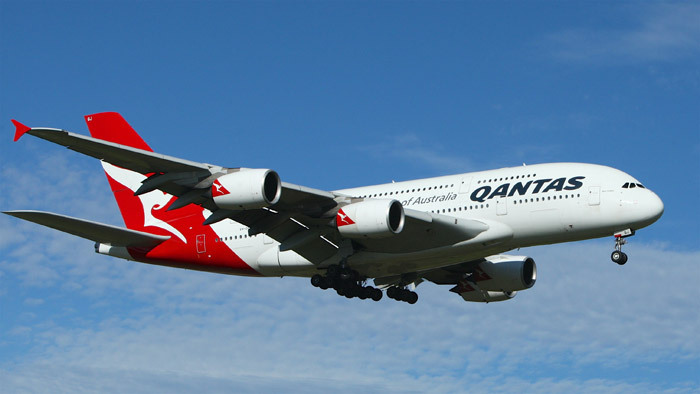
Sydney to Taipei Taoyuan (SYD–TPE) is served by one nonstop route, plus a wide spread of one-stop options.
The usual connecting points are Kuala Lumpur, Singapore, Ho Chi Minh City, Hong Kong, Xiamen and Manila.
At roughly 7,300 km, this is a genuine long-haul sector, not a Bali-length hop.
| Item | Detail |
| Nonstop route | SYD → TPE (Taiwan Taoyuan), arriving Terminal 2 |
| Nonstop flight time | ◎ Around 9h 10m–9h 30m |
| One-stop flight time | Commonly 16–24 hours △ Some budget itineraries run 30h+ |
| Common connecting points | Kuala Lumpur, Singapore, Ho Chi Minh City, Hong Kong, Xiamen, Manila |
| Distance | Approx. 7,300 km |
| Nonstop frequency | Around 4–5 services per week (※ varies by season) |
| Time difference | Taipei is 2 hours behind Sydney (AEST), 3 hours behind during AEDT |
※ Schedules and frequencies change by season.
Confirm current timings with the airline before booking.
The practical takeaway is that a connection rarely costs you three or four hours.
It usually costs you most of a day.
Which airlines fly the Sydney to Taiwan route?
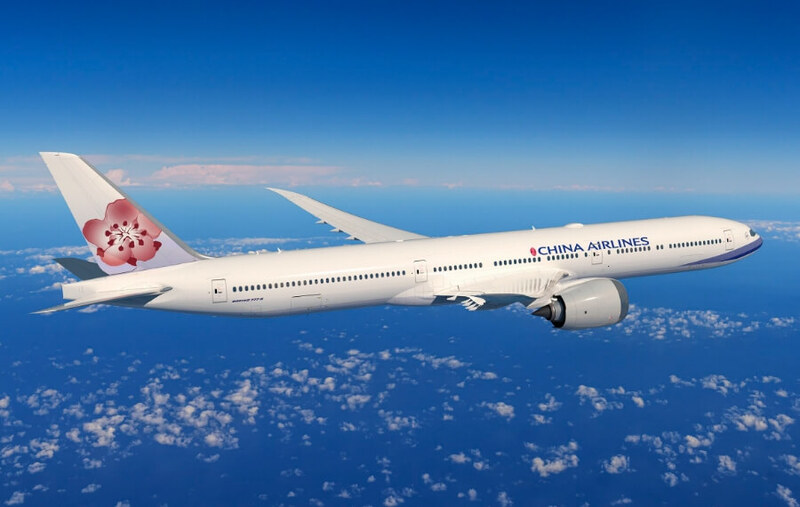
(source: china airline's official website)
This is where flight search results can mislead you.
Several comparison sites list Qantas and KLM as flying direct from Sydney to Taipei.
In practice, those are codeshare numbers sitting on top of a single China Airlines aircraft, the metal is the same plane either way.
| Airline | Routing | Typical total time | What to know |
| China Airlines | Nonstop SYD → TPE | About 9h 30m | ◎ The only carrier operating the nonstop |
| Qantas / KLM | Nonstop (codeshare) | About 9h 30m | △ Sold under QF/KL numbers, flown by China Airlines |
| Cathay Pacific | via Hong Kong | From about 12h 15m | Often the quickest one-stop option |
| Philippine Airlines | via Manila | From about 12h 35m | Daytime departures from Sydney |
| Scoot | via Singapore | 16h+ | △ Low-cost; long layovers are common |
| AirAsia X | via Kuala Lumpur | 16h+ | △ Frequently the lowest headline fare, longest total journey |
| Xiamen Air | via Xiamen | Varies widely | Some itineraries land at Songshan (TSA) instead of Taoyuan |
Worth clearing up while we are here: China Airlines has nothing to do with China.
It is Taiwan's flag carrier, headquartered in Taoyuan, and it occupies much the same place in Taiwan that Qantas does in Australia.
The name is a historical artefact rather than a description of where the airline is based or which government it answers to.
The carriers to keep separate in your head are Air China, China Eastern and China Southern, which are Chinese airlines and entirely different companies.
💡tripool's advice: A handful of connections arrive at Songshan Airport rather than Taoyuan.
Songshan sits inside Taipei city and is far closer to most hotels, so it is worth checking which airport your itinerary actually uses.
Which one-stop point should you choose?
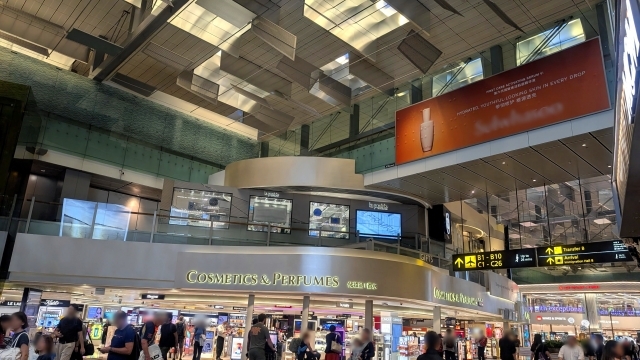
If you are taking a connection, the stopover city is a real decision, not an incidental detail.
It determines your total journey time, your fare, and whether you can leave the terminal and do something useful with the wait.
It also determines what kind of jurisdiction you are standing in for those hours.
| Connecting point | Typical total journey | Smartraveller advice level | Australian passport entry | Worth leaving the airport? |
| Singapore (SIN) | 16 hours and up | ◎ Exercise normal safety precautions | Visa free, 90 days (SG Arrival Card required) |
Yes, and Changi itself fills a long layover |
| Kuala Lumpur (KUL) | 16 hours and up | ◎ Exercise normal safety precautions overall | Visa free, 90 days (MDAC required) |
Yes, KL Sentral is about 30 min by train |
| Manila (MNL) | From about 12h 35m | △ Exercise a high degree of caution overall | Visa free, 30 days (eTravel registration required) |
Only on a long layover, as traffic is unpredictable |
| Ho Chi Minh City (SGN) | Varies widely | ◎ Exercise normal safety precautions overall | E-Visa required | Possible, but the airport transfer eats the time |
| Hong Kong (HKG) | From about 12h 15m | × Exercise a high degree of caution | Visa free, 90 days | See the note below before you decide |
| Xiamen (XMN) | Varies widely | × Exercise a high degree of caution in China overall | Visa free, 30 days (current policy runs to 31 Dec 2026) |
See the note below before you decide |
※ Advice levels and visa rules change. Check smartraveller.gov.au and the relevant immigration authority before you book.
For Hong Kong, the Australian Government notes that authorities can request access to personal electronic devices and passwords from anyone in Hong Kong, including people transiting through the airport.
It also notes that vapes and heated tobacco products are illegal to possess in public places there, including inside the airport in transit.
For China, the advice notes a risk of arbitrary detention, exit bans, and broadly defined national security laws.
Those are risks that attach to the act of transiting itself, which is what makes them different from the ones behind the Philippines rating.
The Philippines also sits at the same overall advice level, but the higher warnings there apply to Mindanao rather than to a layover at Manila.
None of this is a judgement about any of these places as destinations.
It is simply that a stopover you have no particular reason to make is the easiest kind of exposure to avoid.
| Rank | Connecting point | Why it sits here |
| 1 | Singapore | ◎ Lowest advice level, generous visa free entry, and an airport designed to absorb a long wait |
| 2 | Kuala Lumpur | ◎ Consistently the lowest fares on this route, easy city access, same low advice level |
| 3 | Manila | Among the shortest one-stop totals and often a daytime departure, though the airport is the least comfortable of the three |
| 4 | Hong Kong | △ Genuinely the fastest connection and an excellent airport, but the device and transit warnings apply |
| 5 | Xiamen | × Little time or fare advantage, and some itineraries land you at Songshan instead |
※ Fares move constantly. The ranking above weights official safety advice ahead of a small saving in time or money.
The pattern is fairly clear once you lay it out.
The two cheapest connections are also the two with the lowest advice levels, which is an unusually easy trade to make.
The catch with Kuala Lumpur and Singapore is duration, since those fares are the ones that stretch to 16 hours or beyond.
💡tripool's advice: if your layover runs past about six hours and you hold an Australian passport, both Singapore and Kuala Lumpur let you clear immigration and go into the city.
Allow three hours for the return leg and check your baggage is tagged through to Taipei first.
One last point that applies whichever route you pick.
A connection means two chances for a delay, and a missed second leg on a route with only four or five nonstops a week is not a problem that resolves quickly.
Why does the nonstop from Sydney to Taiwan land at 4am?
The nonstop leaves Sydney at 22:10 and flies for about nine and a half hours.
Add the time difference, and the arithmetic lands you in Taipei well before sunrise.
| Period | Sydney departure | Scheduled Taipei arrival |
| Australian daylight saving (roughly Oct–Apr) | 22:10 | 04:40 — before any train runs |
| Standard time (roughly Apr–Oct) | 22:10 | 05:40 |
Note that this flight has a habit of arriving early rather than late.
Landings before 4am are not unusual, which means the gap between your wheels touching down and the city waking up can be longer than the timetable suggests.
If you are travelling between October and April, plan for the 4am version.
What actually happens in your first hour on the ground?
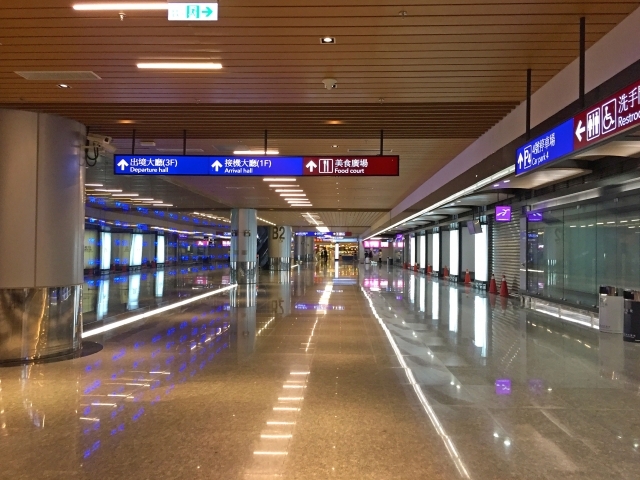
Landing is not the same as leaving the airport.
Budgeting the gap correctly is what separates a smooth arrival from two hours sitting on a bench.
How long does it take to clear Taoyuan Airport?
Allow around 45 to 60 minutes from touchdown to standing in the arrivals hall.
That covers the walk from the gate, immigration, baggage claim and customs.
When several long-haul flights land together, it can take longer, so treat one hour as a planning figure rather than a promise.
So a 4:40am landing typically puts you in the arrivals hall somewhere around 5:30am.
An early 3:58am landing puts you there closer to 4:45am with everything still shut.
What is open at Taoyuan before 6am?
Less than you would hope, but more than nothing.
Convenience stores and a small number of 24-hour food outlets operate through the night in the arrivals areas.
Currency exchange counters and SIM card desks at Taoyuan generally run around the clock, which is genuinely useful at this hour.
Most retail, most restaurants and the airport MRT are closed.
💡tripool's advice: sort your SIM or eSIM and a small amount of cash before you leave the terminal.
Some late-night transport and small vendors still prefer cash.
How do you get from Taoyuan Airport into Taipei after a 4am landing?
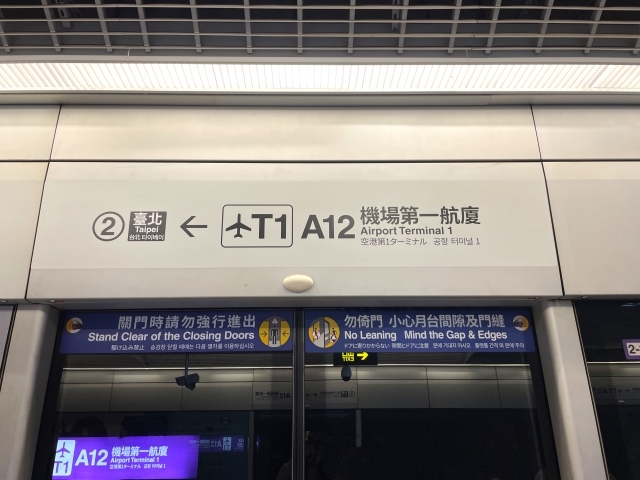
This is the part most Sydney to Taiwan guides skip.
Taoyuan sits roughly 40 km from central Taipei, and the fastest option is not running when you arrive.
The four ways into the city, compared
Below is how the realistic options stack up for a pre-dawn arrival.
| Option | Available at 5am? | Journey time | Cost guide | Suits |
| Airport MRT | × First train from T2 around 05:55 | About 36–39 min express to Taipei Main | Around NT$160 | Light luggage, willing to wait |
| Kuo-Kuang 1819 bus | ◎ Runs 24 hours | About 55–60 min to Taipei Bus Station | Around NT$135 | Budget travellers, flexible plans |
| Airport taxi | ◎ Available around the clock | About 40–50 min (※ traffic dependent) |
Commonly quoted around NT$1,200–1,500 at night (※ metered, night surcharge applies) | Anyone wanting to leave immediately |
| Pre-booked private transfer | ◎ Driver meets your flight | About 40–50 min (※ traffic dependent) |
Confirmed at the time of booking (※ variable pricing) | Families, groups, heavy luggage, hotels away from a station |
The bus is the cheapest thing moving at that hour, and it genuinely works.
The catch is where it leaves you: Taipei Bus Station at 6am, with the city MRT only just starting and your hotel hours away from accepting you.
Which option suits which traveller?
There is no single right answer here — it depends on your luggage, your group and where you are staying.
| A pre-booked transfer helps most if… | You probably don't need one if… |
| You are travelling with children or older parents | You are solo with a carry-on |
| You have large or multiple checked bags | You are happy to wait for the first train |
| Your hotel is not near Taipei MRT station | Your hotel is a short walk from Taipei Main Station |
| You want the price fixed before you land | You are relaxed about a metered fare |
| You would rather not queue at 5am with no sleep | You treat the arrival as part of the adventure |
Does the Sydney arrival time really land that early?
It does, and the Melbourne route shows the pattern even more clearly.
The Melbourne nonstop is scheduled into Taoyuan at 05:30, yet recent arrivals have touched down at 04:47, 04:53, 05:03, 05:04 and 05:18.
Four of those five landed ahead of schedule.
Flights from Australia to Taiwan quite often arrive 10 to 40 minutes early, thanks to favourable winds or air traffic sequencing.
Perth has no nonstop to Taipei at all, so travellers there connect through a Southeast Asian or Hong Kong hub, and that final leg commonly lands in the same pre-dawn window.
Whichever Australian city you leave from, the realistic planning assumption is that you will be standing in the arrivals hall before the trains start.
Why waiting it out at Taoyuan is less pleasant than it sounds
A common plan is to land early, sit tight, and catch the first Airport MRT at around 05:55.
On paper that costs you an hour.
In practice, Taoyuan is a genuinely busy airport of roughly the same scale as Australia's major gateways, but with less spare floor space than its passenger numbers suggest.
Seating in the arrivals area is frequently all taken when several long-haul flights land together, which is exactly what happens in the pre-dawn bank.
Add a full night in economy, checked bags you cannot leave unattended, and a family that has not slept.
An hour on a bench you cannot get is a poor way to start the trip.
The three car options at 5am, compared
Once you decide not to wait, the choice narrows to three.
| Option | Availability at 5am | Price | Practical issues |
| Uber | △ Not guaranteed at this hour | Surge pricing applies, and in our own comparisons it commonly runs around 30% above a pre-booked fare | You are bidding for a car after you land, with no fallback if none accepts |
| Airport queue taxi | ◎ Always available | Metered, with a night surcharge | × No child seats, and English is not guaranteed |
| Pre-booked transfer | ◎ Driver assigned before you fly | Confirmed at the time of booking | Requires you to nominate a pickup time in advance |
※ Fares and surcharges are variable. Confirm current pricing before you travel.
The child seat point is worth isolating, because it surprises people.
Queue taxis at Taoyuan do not carry child restraints, so families arriving with a toddler at 5am often find the simplest looking option is the one they cannot use.
Booking a transfer when you might land early
This is the question we are asked most often, and it is a fair one.
If the plane can arrive 40 minutes ahead of schedule, what happens to a driver booked for the scheduled time?
Our standard advice is to book your pickup for 30 minutes after your scheduled landing time.
tripool then holds a further 30 minutes of waiting time on top of that, which absorbs both an early arrival and a slow baggage belt.
If you do land early, you can message your driver through tripool to let them know.
Drivers usually have other bookings and may not be able to arrive much sooner, so we would rather be honest than promise otherwise.
Even so, telling your driver where you are makes the meeting far smoother than standing in the hall guessing.
💡tripool's advice: check whether your flight is one of the seasonal 04:40 arrivals before you book your pickup time.
Booking against the wrong season is the single most common mistake on this route.
That 30 minute guideline applies to the pre-dawn arrivals specifically.
It works because immigration and baggage at Taoyuan are quiet at 5am, with only a handful of long-haul flights on the ground.
If you are not on the Sydney nonstop and your connection puts you into Taoyuan after 8am, use one hour after landing instead.
By mid-morning the airport is at its busiest, and immigration queues at that hour can easily take twice as long as they do before dawn.
What tripool actually is
tripool is a Taiwan government-registered travel company, and the airport transfer is a private car with a driver.
The driver meets you at Taoyuan and takes you door to door to your accommodation, with no transfers and the price confirmed when you book.
Two things are worth knowing before you book.
- The transfer is one way, so a return trip to the airport is booked separately.
- It is a driver taking you to your address rather than a guided tour, so the itinerary stays yours.

What do you do between 6am and hotel check-in?
This is the second half of the 4am problem, and it catches people out.
Most Taipei hotels will not check you in before early afternoon, and early check-in usually costs extra where it is offered at all.
The workable approach is to drop your bags and let the morning carry you.
- Leave luggage at your hotel's front desk
- Use a coin locker or luggage storage counter near Taipei Main Station
- Find a traditional breakfast shop, many of which open around 6am
- Visit a morning market or a temple, both of which are genuinely busy at that hour
- Book a hotel with a 24-hour front desk if you know you are landing before dawn
💡tripool's advice: if you are landing at 4am, consider paying for the previous night at your hotel.
It costs one extra night, but it turns a nine-hour wait into a bed and a shower.
Taipei before 8am is one of the better versions of the city, and arriving early is not purely a penalty.
It only feels like one if you have not planned for it.
Sydney to Taiwan: a short pre-flight checklist
Run through this before you book, not after.
- Check whether "direct" means nonstop, or a codeshare on the same aircraft
- Confirm whether you land at Taoyuan (TPE) or Songshan (TSA)
- Work out your arrival time in Taipei, allowing for the season
- Add 45–60 minutes for immigration and baggage
- Decide your airport-to-city plan before you fly, not in the arrivals hall
- Confirm your hotel's earliest check-in and whether the front desk is staffed overnight
Where in Taiwan should you fly into?
Most Australians assume Taipei is the only answer, and for a nonstop flight it is.
Taiwan has four airports taking international traffic, though, and if you are already connecting through Southeast Asia the entry point becomes a real choice.
Choosing the right one can save you a full day of backtracking.
Taoyuan, Songshan, Taichung or Kaohsiung, and what each means for your onward trip
The four differ far more in what happens after you land than in the flying itself.
| Airport | Location | International routes | Getting to the city | Best for |
| Taoyuan (TPE) | About 40 km west of central Taipei | ◎ The main gateway, and the only one with direct Australian flights | Airport MRT, buses, taxi or transfer | Almost every first visit |
| Songshan (TSA) | Inside Taipei city | △ Limited, mainly Tokyo Haneda, Seoul Gimpo and a few Chinese routes | Taipei Metro station at the terminal, roughly 20 minutes to the centre | Connections routed through Northeast Asia |
| Taichung (RMQ) | Coastal Taichung, west of the city | △ Regional only, mostly Vietnam, Japan, Korea, Hong Kong and Macau | Bus or taxi, no rail link at the terminal | Starting in central Taiwan |
| Kaohsiung (KHH) | Southern Kaohsiung, close to the city | △ Regional, with good Southeast Asian coverage | ◎ Kaohsiung Metro station at the terminal, about 15 minutes to the centre | Travelling south to north |
Taoyuan is the default, and for good reason.
Every direct flight from Australia lands here, and it has the widest choice of onward transport at any hour.
The trade off is the 40 km between the terminal and central Taipei, which is exactly the problem the earlier sections of this guide deal with.
Songshan is the one worth checking your itinerary for.
It sits inside Taipei itself, with a metro station attached to the terminal, so the airport to hotel problem largely disappears.
Its international network is small, but a handful of connecting itineraries do route through it, and travellers often do not notice until they are looking at the boarding pass.
Taichung suits a trip built around the middle of the island.
Sun Moon Lake is roughly 90 minutes away by road, which is far more civilised than approaching it from Taipei.
Alishan is a longer haul from here and usually a separate leg of the trip rather than a day out, so plan it as such.
Kaohsiung is the one most Australians overlook, and the case for it is not just logistical.
Landing in the south and working your way north by high speed rail gives you a trip that ends in Taipei rather than doubling back to it.
It also puts you within reach of something you cannot see anywhere else in Taiwan.
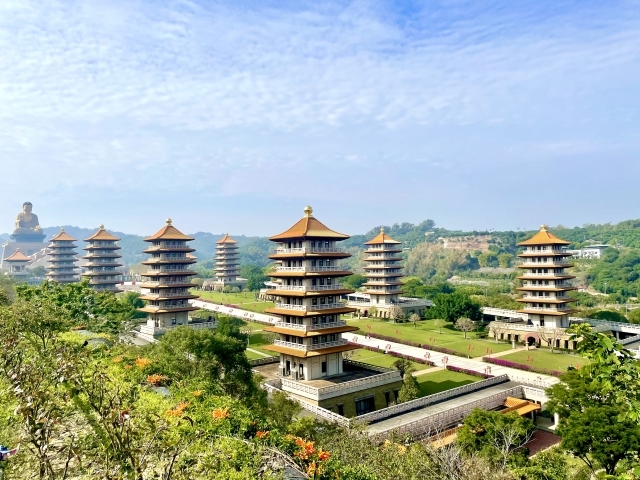
Fo Guang Shan sits in the hills east of the city and is the largest Buddhist monastery in Taiwan.
The Buddha Museum beside it is built around an enormous seated bronze Buddha, and the scale of the place tends to surprise people who arrived expecting a temple visit.
What makes it genuinely distinct is the tradition behind it.
Fo Guang Shan is a centre of Humanistic Buddhism, a modern movement that developed in Taiwan itself, and it reads very differently from the Theravada temples Australians usually encounter in Thailand, or from Buddhist practice in Vietnam.
The vegetarian food is a large part of the visit rather than an afterthought, and it is some of the best in the country.
You can eat well there without any interest in Buddhism at all.
If you want to go further into local culture, Meinong is about an hour from central Kaohsiung.
It is a Hakka town, and the Hakka are one of Taiwan's distinct ethnic communities with their own language, food and crafts.
Oil paper umbrellas, old tobacco barns and a very different regional cuisine are the draws.
Public transport out there is thin, and connecting Fo Guang Shan and Meinong in one day by bus is difficult.
This is the kind of day where a chartered car earns its keep.
💡tripool's advice: if Kaohsiung is your entry point, consider booking an open jaw ticket into KHH and out of TPE.
You see the whole island without repeating a single leg, and the high speed rail covers Kaohsiung to Taipei in under two hours.
tripool is a Taiwan government registered travel company, and our charter service covers this kind of day trip out of Kaohsiung.
A driver and vehicle are booked for the day, so you can combine Fo Guang Shan and Meinong at your own pace instead of building the day around bus timetables.
Worth knowing before you book: the driver takes you where you want to go rather than acting as a guide, so bring your own reading on what you are seeing if you want the background.
Getting around Taiwan once you're here
Getting around Taiwan by HSR, local trains, buses or a car, and what works where
There are five realistic ways to cover distance here, and they are not interchangeable.
| Option | Where it works | Where it does not | Notes for Australian visitors |
| High Speed Rail (HSR) | ◎ The west coast spine, Taipei to Kaohsiung in roughly 1h 45m to 2h | Does not serve the east coast or the mountains (Taroko) | Stations often sit outside the city centre, so budget for the last leg |
| TRA local rail | The east coast, smaller towns and coastal loops | Slower, and inland destinations are still off the line | △ Books out fast in peak season, so reserve early |
| Metro and city buses | ◎ Excellent within Taipei, Kaohsiung and Taichung | Thin once you leave urban areas | An EasyCard covers metro, bus and convenience stores |
| Self drive | Technically possible with the right paperwork | Not recommended for most visitors | × Taiwan drives on the right, the opposite of Australia |
| Private charter | ◎ Anywhere the rail network does not reach | Not the cheapest option for simple city to city hops | Priced by the day or the route, not per passenger |
A word on driving and scooters
This deserves its own section because Australians underestimate it.
Taiwan drives on the right hand side of the road, with the steering wheel on the left.
Everything you do automatically after a lifetime of Australian driving is reversed here, including which way you look at an intersection.
Doing that on unfamiliar roads, in dense traffic, with jet lag, is not a good first day.
An International Driving Permit is required alongside your Australian licence, and the rules on how long it stays valid do change, so check before you travel rather than at the rental desk.
Scooters deserve a firmer warning.
They look like a casual holiday activity because they are everywhere and they are cheap.
A scooter is a motorcycle, not a bicycle, and riding one requires the correct licence class.
Renting one on impulse because it looks fun is the single riskiest thing a visitor can do here.
Which option suits your itinerary?
The right answer changes completely depending on how far you stray from Taipei.
Below are the three itinerary shapes we see most often from Australian travellers.
| Recommended | ◎ Taipei Metro and city buses, with an EasyCard |
| Why | The metro reaches almost everything a first time visitor wants to see, runs frequently and is easy to read in English |
| You need a car for | The airport run only, since that is the one leg the metro cannot cover before dawn |
| Recommended | ◎ Metro for the Taipei days, a chartered car for the northeast coast day |
| Why | △ The buses to Jiufen regularly involve very long queues, and you can lose an hour standing in line before you have gone anywhere |
| The real problem | These three sit in different directions and stringing them together by public transport turns a day out into an endurance exercise |
| Recommended | Rail between cities, then a charter for the parts the rail does not reach |
| Why | × Public transport outside Taipei is noticeably thinner, and rural services can run only a few times a day |
| Worth noting | Charter costs are shared across the vehicle, so this shifts in your favour with a family or a group |
💡tripool's advice: do not charter a car for a day you could do on the metro.
Save it for the days where the alternative is three transfers and a queue, and the value is obvious.
The places Australians most want to see, and how hard each is to reach
This is the table to check before you commit to an itinerary.
| Destination | From | Public transport | Difficulty |
| Taipei 101 and Ximending | Central Taipei | Metro direct | ◎ Easy |
| Beitou hot springs | Central Taipei | Metro direct | ◎ Easy |
| Tamsui | Central Taipei | Metro direct, about 40 min | ◎ Easy |
| Jiufen | Taipei | Train to Ruifang, then a bus that frequently has a long queue | △ Doable but tiring |
| Shifen and Pingxi | Taipei | Train plus the Pingxi branch line, which runs infrequently | △ Doable but slow |
| Yehliu Geopark | Taipei | Coach, with limited services | △ Awkward to combine with anything else |
| Sun Moon Lake | Taichung | HSR then a bus, roughly 90 min from Taichung | △ Manageable, but a long day from Taipei |
| Alishan | Chiayi | HSR then a mountain bus or the forest railway | × Best treated as an overnight, not a day trip |
| Taroko Gorge | Hualien | TRA to Hualien, then limited buses inside the park | × Difficult without a car (※ check current access conditions) |
| Fo Guang Shan | Kaohsiung | Bus from the city, workable but slow | △ Fine alone, hard to combine with Meinong |
| Meinong | Kaohsiung | Sparse rural services | × A charter day in practice |
The pattern is consistent once you see it laid out.
Anything on a metro line or the HSR spine is easy, and anything that needs a final leg by rural bus is where the day gets expensive in time rather than money.
That final leg is the only part of getting around Taiwan worth paying to solve.
Sample Taiwan itineraries for a trip from Sydney
Most Taiwan itinerary guides start on Day 1 with a museum and finish on the last day with a shrug.
They are written without reference to how you actually arrive or leave.
For a trip from Australia, those two moments are fixed, they are unusual, and planning around them changes the shape of the whole trip.
How to plan around a pre dawn arrival and a long flight home
The Sydney route gives you two hard constraints and one unexpected gift.
| Outbound | Return | |
| Departs | Sydney around 22:10 | Taipei around 23:30 to 23:50 |
| Arrives | Taipei 04:40 or 05:40, depending on the season | Sydney around 10:45 the next morning |
| What it costs you | △ Day 1 is a half day at best | ◎ Nothing. The final day is almost entirely yours |
※ Schedules vary by season and day of week. Confirm your own flight times before planning.
The day one rule: plan something low effort.
You will have been awake or half asleep on a plane for nine hours, and you will reach your hotel before most of Taipei is open.
Do not put a mountain, a hike, or the National Palace Museum on this day.
Hot springs, a long breakfast, a flat neighbourhood walk, and a deliberate afternoon nap are the correct answer.
The last day rule: you get a full day, if you plan the luggage.
A 23:30 departure means leaving your hotel around 20:00 and still having dinner in Taipei beforehand.
That is a genuine extra day, which a European trip never gives you.
The only thing standing between you and using it is your suitcase, so check out in the morning and leave your bags with the hotel or in a station locker.
💡tripool's advice: book the return transfer at the same time as the arrival one. The service is one way, so the trip back to Taoyuan is a separate booking, and it is easy to forget when you are three days into a holiday.
If you are still working out the paperwork and the money side, our Australia to Taiwan travel guide covers the Taiwan Arrival Card, AUD to TWD rates and what things actually cost.
Plan 1. Five days, Taipei and the north
Best for a first trip, or a long weekend stretched with two days of leave.
| Day | Plan | Transport |
| 1 | Land 04:40, hotel by 06:30, breakfast, Beitou hot springs, nap at check in, night market | △ Transfer from the airport, metro after that |
| 2 | Central Taipei. Chiang Kai Shek Memorial, Longshan Temple, Taipei 101, Elephant Mountain at sunset | ◎ Metro only |
| 3 | Northeast coast. Yehliu, Shifen, Jiufen for sunset | △ Charter day, or a long day of trains and bus queues |
| 4 | Slower Taipei. Dadaocheng, Huashan, Maokong, a proper dinner | ◎ Metro only |
| 5 | Check out and store bags, final day in the city, leave for the airport around 20:00 | Metro, then a transfer |
Day 3 is the one that decides whether this trip feels relaxed or exhausting.
Yehliu, Shifen and Jiufen sit in three different directions, and the bus up to Jiufen regularly involves a long queue.
🚗tripool's advice: an eight hour charter covers all three in one run. It is a driver and vehicle for the hours you book, with no guide and no itinerary planning, so decide your stops the night before.
You can book a Taoyuan Airport transfer for the Day 1 morning, and check charter options across northern Taiwan for the Day 3 coast run.
Plan 2. Seven days, adding Taichung and Sun Moon Lake
Best for travellers who want more than the capital but do not want to be repacking every night.
| Day | Plan | Transport |
| 1 to 3 | As Plan 1. Arrival day, central Taipei, northeast coast | Transfer, metro, charter |
| 4 | HSR to Taichung, Rainbow Village or Miyahara, on to Sun Moon Lake for the night | △ HSR then a connection the buses handle poorly |
| 5 | Sunrise or the ropeway at the lake, then back to Taichung and south or north as you prefer | Charter or bus |
| 6 | Return to Taipei by HSR, anything you missed, a last night market | ◎ HSR and metro |
| 7 | Check out and store bags, full final day, leave for the airport around 20:00 | Metro, then a transfer |
The weak link here is the same one every time.
Taichung HSR station sits well outside the city, and the onward leg to Sun Moon Lake runs on fixed bus timetables that can swallow an afternoon.
🚗tripool's advice: charters are booked in two hour blocks, from two hours up to twelve. A four hour block from Taichung HSR covers Rainbow Village and the run out to the lake, which is usually enough without paying for a full day.
For the hour by hour version of these first two plans, including where to eat and which days to swap when it rains, see the sample itineraries in our full Australia to Taiwan guide. Charters from Taichung cover the Day 4 connection.
Plan 3. Ten days, the full north to south loop
Ten days is where Taiwan stops being a city break and starts being a country.
It is also the length at which the open jaw ticket becomes worth considering, flying into Kaohsiung and home from Taipei.
| Day | Plan | Transport |
| 1 | Arrive before dawn, low effort day, Beitou and a night market | △ Transfer, then metro |
| 2 | Central Taipei | ◎ Metro only |
| 3 | Northeast coast. Yehliu, Shifen, Jiufen | Charter day |
| 4 | HSR to Taichung, then Sun Moon Lake overnight | HSR plus a connection |
| 5 | Lake in the morning, on to Alishan, acclimatise, walk the cypress trails | × Mountain roads with sparse buses |
| 6 | Alishan sunrise, forest railway down to Chiayi, HSR onward to Tainan | Railway and HSR |
| 7 | Tainan. Temples, the old quarter, and the best street food in the country | ◎ Walkable, plus local buses |
| 8 | Kaohsiung. Fo Guang Shan and its vegetarian food, or the harbour and Pier 2 | Metro to the city, charter for Fo Guang Shan |
| 9 | Meinong for Hakka culture, then HSR back to Taipei in the evening | × Charter, as rural services are thin |
| 10 | Check out and store bags, full final day in Taipei, leave for the airport around 20:00 | Metro, then a transfer |
Two structural notes on this one.
- Days 5 and 6 involve a second pre dawn start for the Alishan sunrise, which means two 4am mornings in one holiday, so build a slow afternoon into each.
- The east coast is deliberately absent. Adding Hualien and Taroko to this turns a well paced ten days into a luggage relay, and access conditions there still need checking before you commit.
🚗tripool's advice: days 8 and 9 are the strongest case for a charter in the whole loop. Fo Guang Shan and Meinong are both reachable alone, but connecting them by public transport in a day is not realistic.
The awkward legs on this loop have their own booking pages: Alishan from Chiayi HSR, charters around Tainan, and Kaohsiung Airport transfers if you fly in from the south.
Which taiwan itinerary suits you?
The honest comparison, including the parts that are not fun.
| 5 days | 7 days | 10 days | |
| Covers | Taipei and the north coast | Adds central Taiwan | The whole west of the island |
| Times you unpack | ◎ Once | Three times | △ Five times |
| Pre dawn starts | One, the arrival | One, the arrival | △ Two, arrival and Alishan |
| Charter days | One | One or two | Three or four |
| Best for | ◎ First visit, families, anyone jet lagged | A first visit with a bit more range | Repeat visitors, or a long service leave trip |
Our honest view for a first trip from Australia is that five days done properly beats ten days spent in transit.
Taiwan is nine hours from Sydney with no time zone penalty worth speaking of, which makes coming back a genuinely small ask.
Very few long haul destinations let you say that.
Sydney to Taiwan FAQ
The questions we are asked most often about this route, answered plainly.
How long is the direct flight from Sydney to Taipei?
The nonstop takes around 9 hours 15 minutes to 9 hours 30 minutes, covering roughly 7,300 km.
China Airlines is the only carrier operating it, with around four to five services a week depending on the season.
Confirm current timings and frequencies with the airline before booking.
Do Australians need a visa for Taiwan?
No.
Australian passport holders receive visa exempt entry for stays of up to 90 days, provided your passport is valid for at least six months and you hold an onward ticket.
You do need to submit the Taiwan Arrival Card online before you fly, which is free and takes about five minutes.
Entry rules can change, so confirm current requirements before you travel.
What time does the direct flight from Sydney land in Taipei?
It depends on the season.
During Australian daylight saving the scheduled arrival is around 04:40, and outside it the arrival is around 05:40.
The flight also has a habit of arriving 10 to 40 minutes early thanks to favourable winds or air traffic sequencing.
Check your own booking, since schedules vary by season and day of week.
Can I get from Taoyuan Airport to Taipei at 5am?
Yes, but not by train.
The Airport MRT does not run its first service from Terminal 2 until around 05:55, so at 5am your options are the 24 hour Kuo Kuang 1819 bus, a rank taxi, or a pre booked transfer.
The bus is the cheapest option moving at that hour and takes roughly an hour to Taipei Bus Station.
Is it worth flying via Singapore or Kuala Lumpur to save money?
Sometimes, but understand what you are trading.
Those connections are usually the cheapest on the route, and both countries sit at Australia's lowest travel advice level, but total journey times commonly run 16 hours or more.
If your layover is long enough, Australian passport holders can clear immigration in both and spend the wait in the city rather than the terminal.
Check your baggage is tagged through to Taipei before you plan on leaving the airport.
Can I book an airport transfer for a flight that lands before dawn?
Yes.
tripool operates around the clock, and pre dawn arrivals are one of the most common bookings on Australian routes.
For an early morning landing we suggest setting your pickup for 30 minutes after your scheduled arrival time, with a further 30 minutes of waiting time held on top of that.
If your flight lands after 8am, allow one hour instead, as the airport is considerably busier then.
Do tripool provide child seats?
Yes.
Child seats can be added when you book, and depending on the vehicle you can request up to two.
This is worth knowing because rank taxis at Taoyuan do not carry child seats and cannot arrange one on the spot, which catches out families arriving at 5am with a toddler.
Request the seats at the time of booking rather than on the day, since availability depends on the vehicle type.
How do I book a return airport transfer?
The transfer is a one way service, so the trip back to Taoyuan is a separate booking.
There is also a return option that locks in both legs at once, which works out slightly cheaper than booking two individual one way trips.
Book both when you are planning your trip rather than partway through your holiday, since it is easily forgotten.
Can I pay with an Australian credit card?
Yes.
Bookings are paid by credit card at the time of booking, so the fare is settled before you fly and you are not looking for cash in the arrivals hall at 5am.
Your card issuer may apply its own international transaction fee.
Accepted payment methods can change, so check the current options when you book.
What happens if my flight is delayed?
Message your driver through the tripool app as soon as you know, and the same applies if you land early.
Drivers usually have other bookings, so they may not be able to shift far in either direction, but knowing your situation makes the meeting far smoother.
On cancellations, bookings can be cancelled free of charge until 06:00 Taiwan time on the day before travel, and new bookings are accepted up to two hours before pickup.
A delay on the day of travel falls outside that free cancellation window, so contact us to adjust the booking rather than cancelling it. Please confirm the current terms when you book.
Do you have English speaking drivers?
We do not promise a fluent English speaker on every booking, because English levels vary by driver.
The tripool app has built in translation, so you type in English, your driver replies in Mandarin, and each of you reads the other in your own language.
Your destination address is also confirmed in advance as part of the booking, so there is nothing to explain to the driver when you get in the car.
This is the practical difference from a rank taxi, where you may need your hotel address written in Mandarin before you land.